


I’ve received a letter
If you’ve received a letter from us, it’s because we believe there may be electricity equipment on, under or crossing your property, and that you could be entitled to compensation as a result.
You don’t need to know what the equipment is, where it is or whether there’s already an agreement in place. That’s what we can help establish.
Why have I received a letter?
We identify properties across the UK that we believe may be affected by electricity equipment.
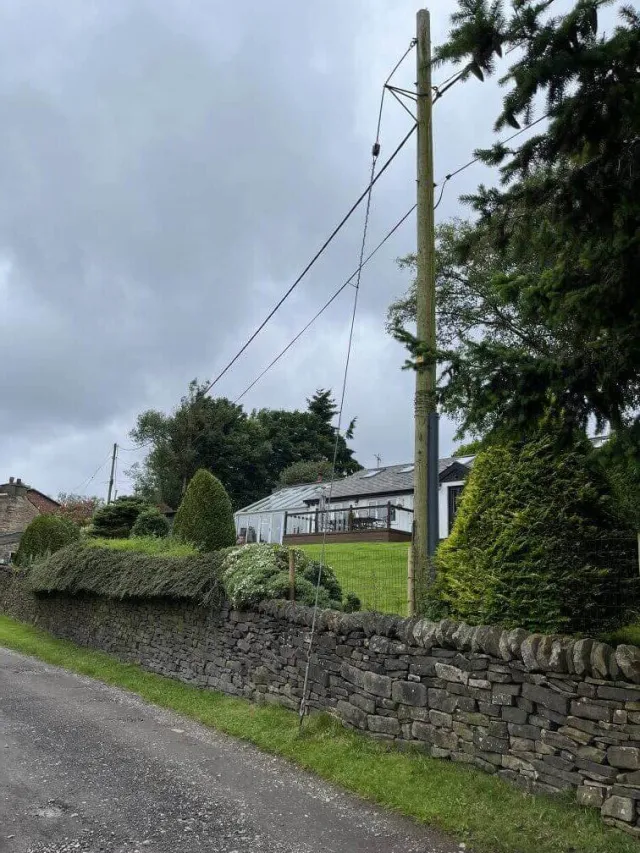
Sometimes that equipment is easy to spot. You may have a pole or pylon on your land, or overhead electricity lines crossing your property. In other cases, we believe there may be underground cables that you wouldn’t necessarily know were there.
Where electricity equipment is located on private land, the electricity company may need legal rights to keep, maintain and access it. Depending on the arrangements already in place, you may be entitled to compensation in return for granting those rights.
Our letter is simply an invitation to find out more. Receiving one doesn’t commit you to using us or taking a case forward.
Which of these sounds familiar?
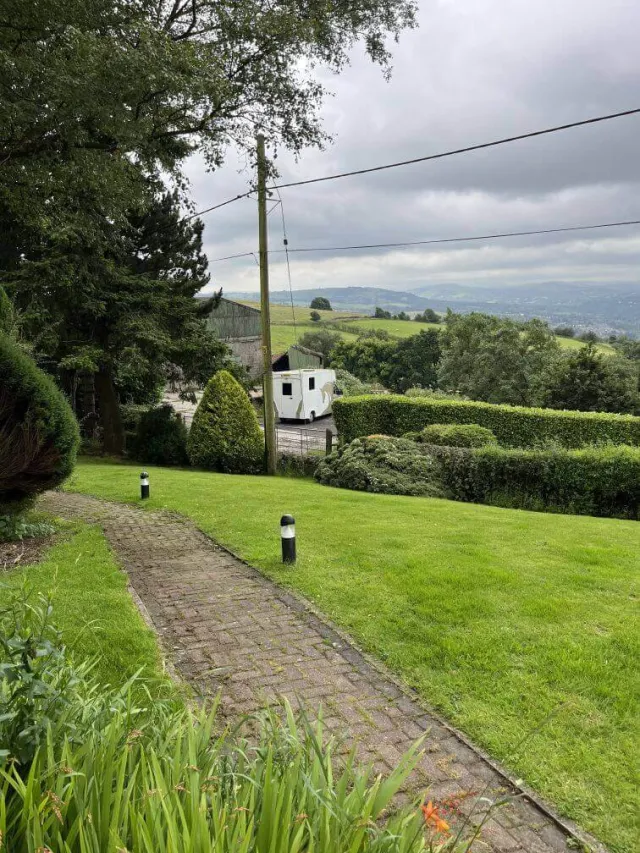
I can see electricity equipment on my property
You might have an electricity pole or pylon on your land, or overhead lines crossing it.
We can investigate what rights are already in place and whether there may be an opportunity to secure compensation.
I can’t see any electricity equipment
That doesn’t necessarily mean there isn’t any.
If we’ve contacted you about underground equipment, it’s because the information available to us suggests there may be electricity cables beneath your property. We can investigate this further and establish whether there may be a case.
I know there are cables or equipment, but I don’t know what agreements are in place
That’s very common. You don’t need to find old paperwork or understand the difference between a wayleave and an easement before speaking to us.
Part of our work is establishing what equipment is present and what legal rights, if any, are already in place.
I’ve only recently bought the property
You may still be able to pursue a case. Electricity equipment and the agreements relating to it can pre-date your ownership of the property, so we’ll look at the circumstances of your property specifically.
Frequently asked questions
Does receiving a letter mean I definitely have a case?
It means there's a high probability. We’ve contacted you because the information available to us suggests there may be a potential case worth investigating.
We’ll need to establish the exact circumstances before confirming whether it can be taken forward.
What is a wayleave?
A wayleave is an agreement that allows an electricity company to keep and access its equipment on privately owned land, usually in return for a payment. Unlike an easement, a wayleave is typically granted for a specified period and may come to an end when the property is sold or ownership changes, depending on the terms of the agreement.
What is an easement?
An easement gives an electricity company permanent legal rights to keep, maintain and access its equipment on the land, usually in return for a one-off payment.
Don’t worry if you’re not sure which applies to your property. We can investigate that for you.
How much compensation could I receive?
There isn’t one standard amount. Compensation depends on the equipment involved, its location, the rights required and the individual circumstances of the property.
Once we know more about your case, we can explain what may be possible.
How much does your service cost?
There are no upfront costs for us to investigate and pursue your case.
For high-voltage cases, our fee is 20% plus VAT of the compensation offered to you, and only becomes payable once we have successfully secured an offer on your behalf. Although our fee becomes due at this stage, we won't usually issue an invoice until your case completes.
How long does the process take?
Every case is different and some can take time, particularly where information or action is required from the electricity company or other parties.
We’ll keep you updated as your case progresses so you know what is happening and what comes next.
Do I have to do anything?
No. Receiving a letter from us doesn’t commit you to anything.
If you’d simply like to understand why we contacted you, you can speak to our team before deciding whether you want to take things any further.
What happens next?
Getting started is straightforward.
- Get in touch with us, ideally with your letter to hand.
- We’ll look at your property and explain why we believe there may be a case.
- If you’d like to proceed, we’ll investigate the equipment and any existing agreements in more detail.
- Where there is a case to pursue, we’ll deal with the electricity company and negotiate on your behalf.
- For low-voltage (LV) cases, our service costs the homeowner nothing. For high-voltage (HV) cases, our fee is calculated as a percentage of the compensation offered, with no invoice usually issued until your case completes.
We’ll guide you through each stage and let you know if we need anything from you.
Still have questions?
That’s completely understandable. An unexpected letter about electricity equipment on your property isn’t something most people deal with every day.
Our team can explain why we’ve contacted you, what we believe may affect your property and what your options are. You don’t need to decide anything before speaking to us.

Not sure where to start?
Whether you’ve received a letter from us or have a question about electricity equipment on your property, our team can help you understand the next step.