
Thom Parker-Marrs
Director | AssocRICS
View profile of Thom Parker-Marrs


If there is electricity equipment on or beneath your property, there may already be a wayleave, easement or other agreement in place giving the electricity network operator certain rights.
What happens when you sell will depend on the type of agreement and the rights it provides. Some agreements are attached to the property and will continue when ownership changes, while others may work differently.
If you are unsure what is in place, we can investigate the existing agreement and explain what it means for you and your sale.

Can I just say you were a pleasure to deal, very friendly and courteous and sorted all this out very quickly. Please show this to your boss.
Director | AssocRICS
View profile of Thom Parker-Marrs
Consents Team Lead
View profile of Holly Shipton
Trainee Associate
View profile of Aden Gale
Consents Officer
View profile of Dylan ConnellanIt can. Electricity equipment on or beneath a property, and the agreements associated with it, may need to be considered as part of the conveyancing process.
If you are selling, understanding what rights are already in place can help you provide the information your buyer and their solicitor may need.
If you are buying a property with electricity equipment, it is equally important to understand what agreements exist and what rights the electricity network operator has.
We can help establish the position and explain it clearly, giving you the information you need to move forward.
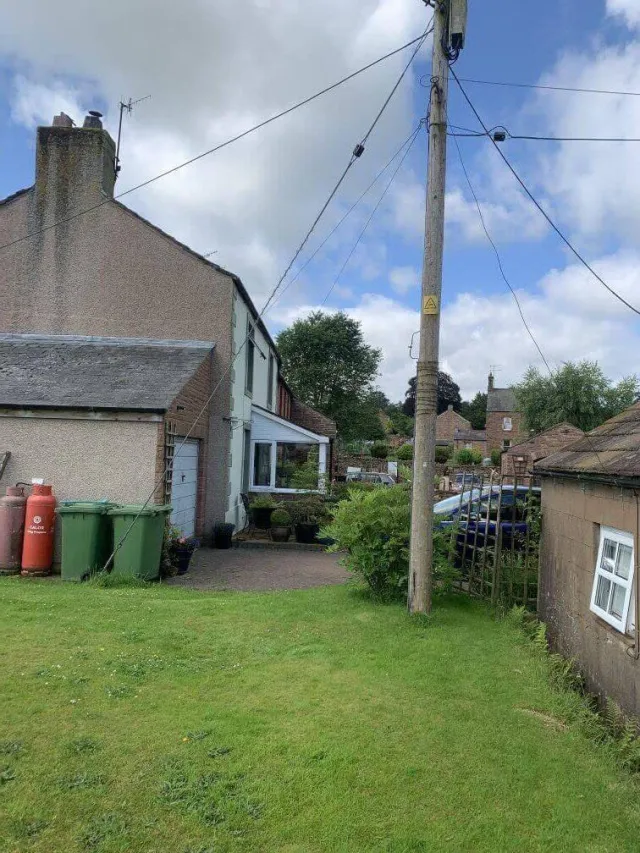
If you know there are overhead lines, underground cables, pylons, poles, substations, transformers or other electricity equipment on or close to your property, make your solicitor aware as early as possible.
You should also provide details of any wayleave, easement or other agreement you know about, along with any correspondence you have received from an electricity network operator.
If you do not know whether an agreement exists, or you are unsure what the paperwork means, we can investigate this for you.
Getting a clear picture early in the process can help your solicitor deal with any questions that arise during the sale.

Not necessarily. Many properties with electricity equipment are bought and sold. However, your buyer or their solicitor may want to understand what equipment is present and what legal rights or agreements are in place.
If you have a copy, it is useful to provide it to your solicitor. If you cannot find one or do not know whether an agreement exists, we may be able to help establish what is in place.
If you are already pursuing a case with us and are planning to sell your property, please let us know as soon as possible. The timing of the sale may affect how your case is handled, so it is important that we can advise you based on your individual circumstances.
Speak to us before assuming that the equipment or existing agreement will cause a problem. We can look at what is on or beneath the property, investigate the rights in place and explain what your options are.
Potentially, but the circumstances and timing of your sale will matter. Contact us as early as possible so we can look at your individual situation and explain the options available.