
Thom Parker-Marrs
Director | AssocRICS
View profile of Thom Parker-Marrs

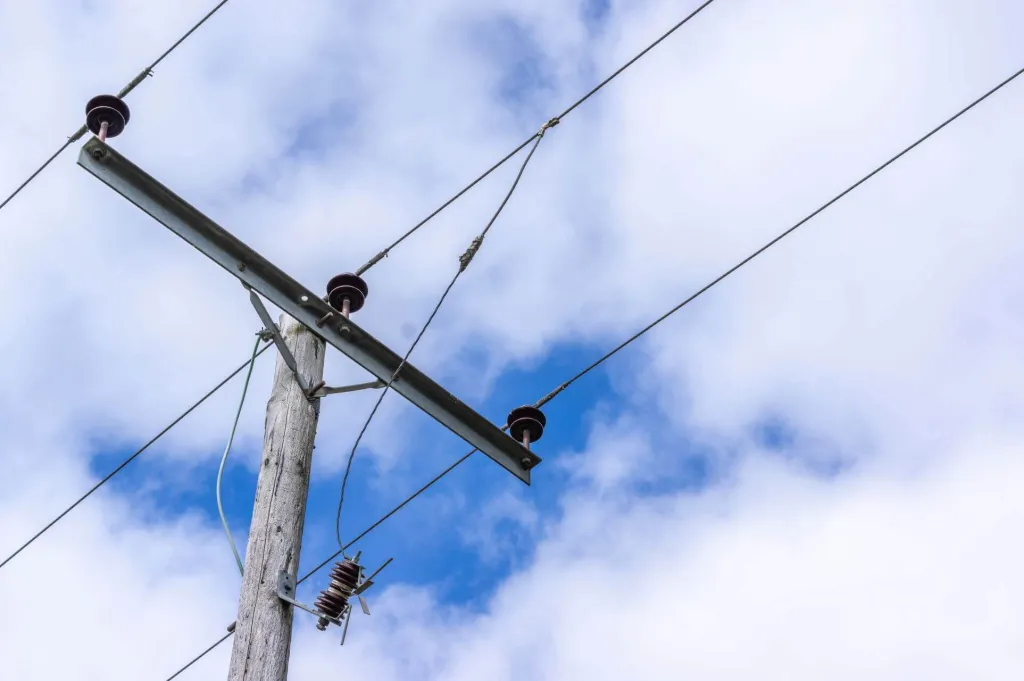
A wayleave is an agreement that gives an electricity network operator certain rights to install, keep, access and maintain electricity equipment on privately owned property or land.
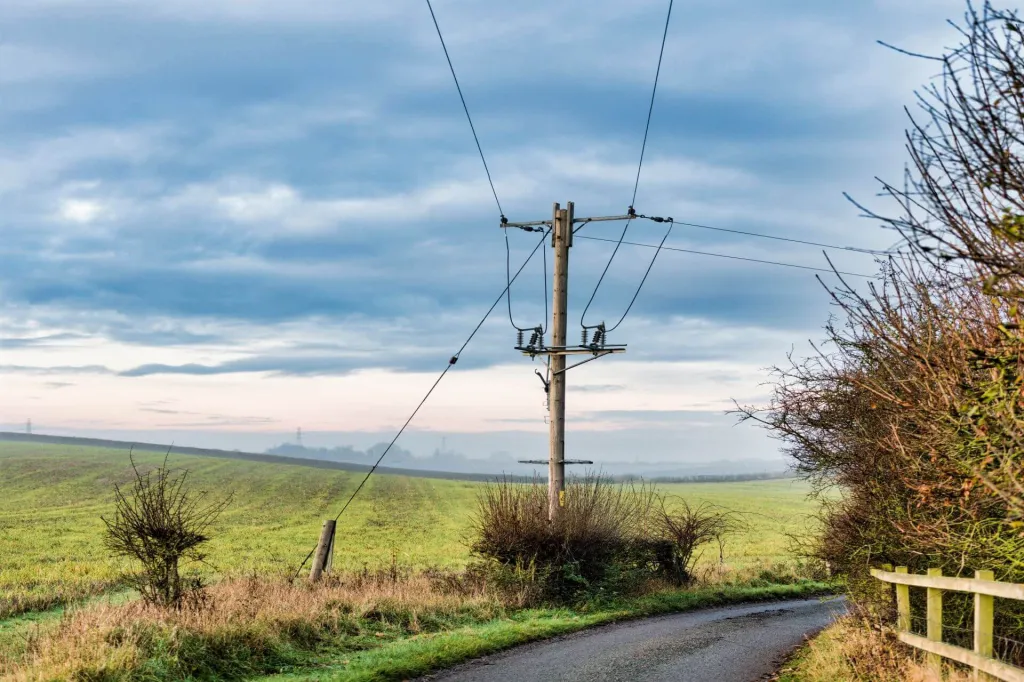
Wayleaves can relate to equipment including electricity poles, overhead lines, underground cables and other parts of the electricity network.
If you have electricity equipment on, over or underneath your property or land, there may already be a wayleave in place.
Don't worry if you've never seen an agreement or aren't sure what arrangements apply to your property. We can investigate this for you and explain what it means.
Process was easy and uncomplicated. Did not realise there was a claim to be made. Pleased with the outcome.
Director | AssocRICS
View profile of Thom Parker-Marrs
Consents Team Lead
View profile of Holly Shipton
Trainee Associate
View profile of Aden Gale
Consents Officer
View profile of Dylan ConnellanYes. The type of wayleave in place can vary depending on the electricity equipment, when the agreement was made and the circumstances of the property or land.
Some agreements provide for regular payments, while others may involve different arrangements between the landowner and electricity network operator.
The important thing is understanding exactly what applies to your property. You don't need to identify the type of wayleave yourself – we can investigate the existing arrangements and explain what they mean for you.

Wayleaves don't all work in the same way, and what happens when an agreement comes to an end will depend on its terms and the circumstances involved.
In some cases, there may be an opportunity to negotiate new terms or consider a different type of agreement relating to the equipment.
Electricity network operators can also have statutory rights relating to equipment forming part of their network, so it's important to understand the position before making any decisions.
We can investigate the existing agreement and explain what options may be available to you.

Wayleave agreements can include payments to property or landowners in return for allowing electricity equipment to remain on their land.
The amount and type of payment can vary depending on the equipment involved, the property or land and the agreement in place.
You might already receive regular wayleave payments, or you may have electricity equipment affecting your property and never have received a payment at all.
Either way, we can look at the existing arrangements and explain whether there may be other options available to you.
You may have paperwork relating to an existing agreement or be receiving wayleave payments, but this isn't always the case. If you're unsure, we can investigate the arrangements affecting your property.
No. You don't need to find the original paperwork before getting in touch. We can investigate what agreements may be in place.
You may still want to understand exactly what rights have been granted and whether other options are available. We can review the circumstances and explain your position.
No. Both can give an electricity network operator rights relating to equipment on privately owned property or land, but they work differently.
Potentially, but this depends on the agreement and the circumstances. Electricity network operators may also have statutory rights relating to equipment forming part of their network, so ending a wayleave doesn't necessarily mean the equipment will be removed. We can investigate the position and explain your options.
The effect of a wayleave on a property sale will depend on the agreement and circumstances involved. We can help establish what is in place and explain what it means if you're planning to sell.