Agreements relating to electricity equipment
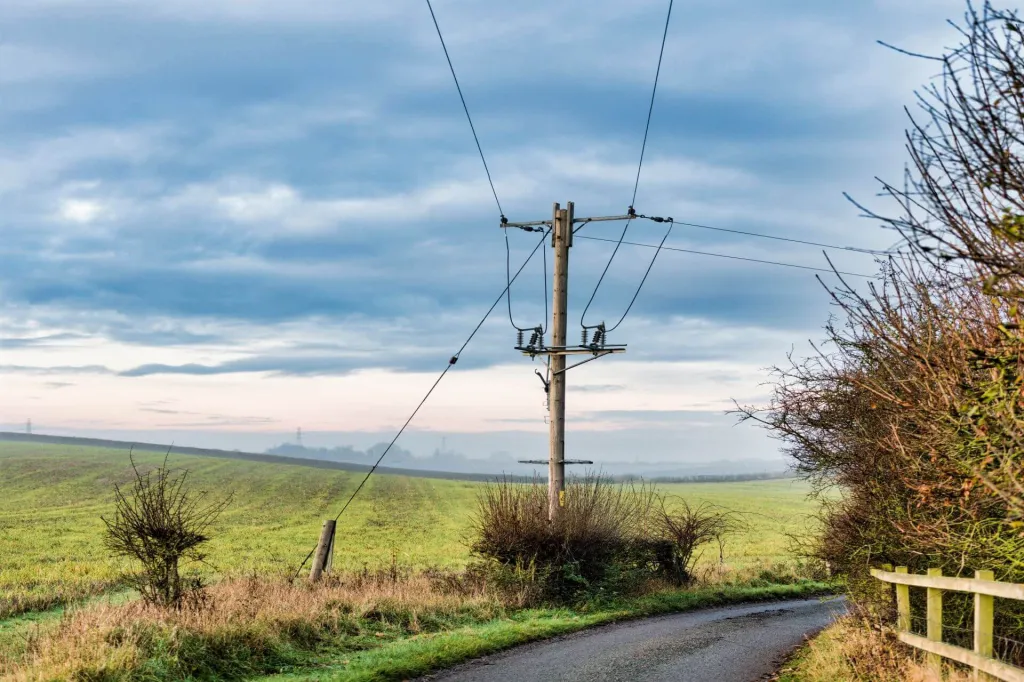
If electricity equipment is on, over or underneath privately owned property or land, the electricity network operator will usually need certain rights to keep, access and maintain it.
These rights can be covered by different types of agreement, most commonly a wayleave or easement.
The type of agreement in place matters. It can affect the rights of both you and the electricity network operator, whether compensation may be available and what happens if you decide to sell your property.
You don't need to know what agreement you have, or even whether one exists, before contacting us. We can investigate the arrangements relating to your property and explain what they mean for you.
Wayleaves
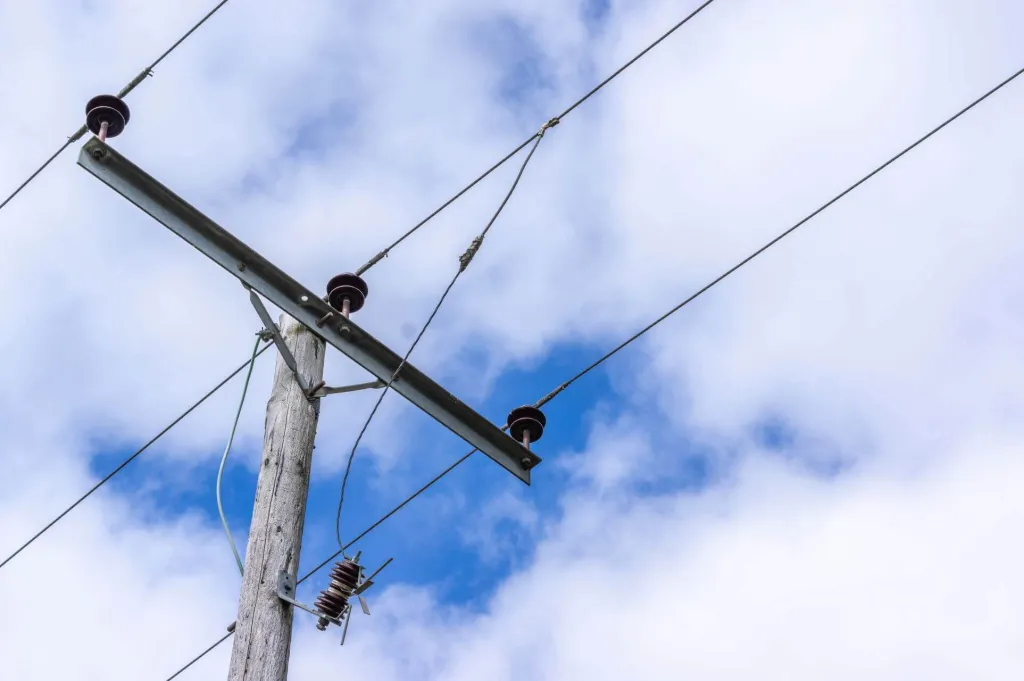
A wayleave is an agreement that gives an electricity network operator certain rights to install, keep, access and maintain equipment on privately owned property or land.
If you have electricity equipment affecting your property, there may already be a wayleave in place. We can help establish whether there is one and what it means for you.
Find out about wayleavesEasements
An easement gives certain legal rights over a property or piece of land and can be used to allow electricity equipment to remain in place and be accessed when necessary.
Easements work differently from wayleaves, so understanding which type of agreement applies to your property is important.
Find out about easementsSelling your property
If you're selling a property affected by electricity equipment, existing agreements – or the absence of one – may become relevant during the sale.
We can help you understand the arrangements affecting your property and what may need to happen before or during the conveyancing process.
Find out about selling your property