Thom Parker-Marrs
Director | AssocRICS
View profile of Thom Parker-Marrs

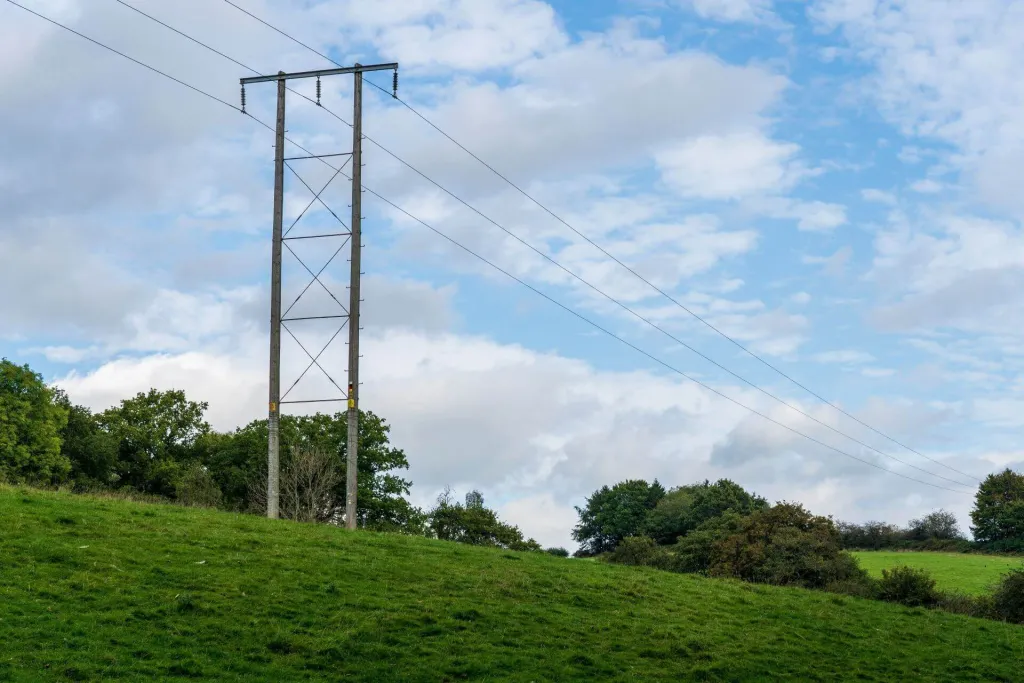
An easement is a legal right that allows another party to use part of your land or property for a specific purpose.
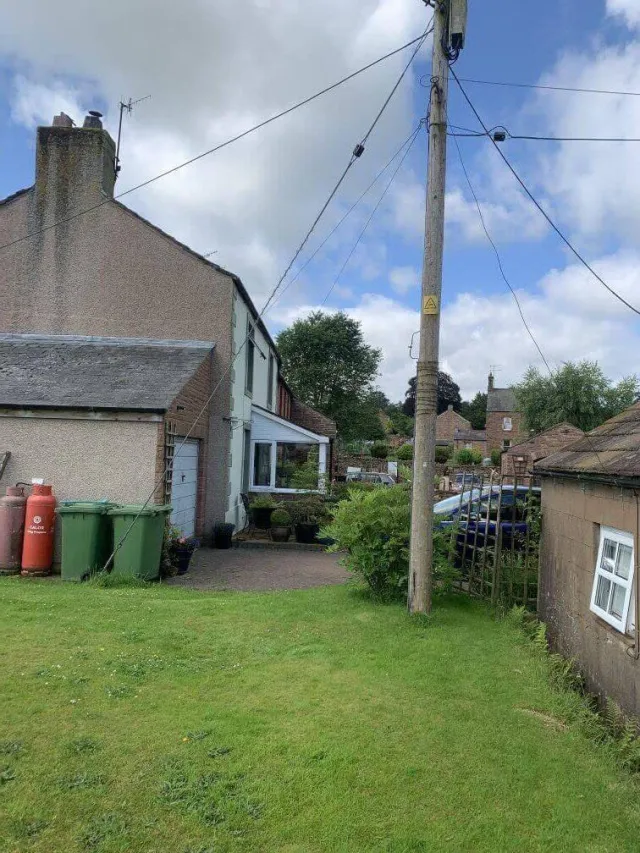
For electricity equipment, an easement may give an electricity network operator permanent rights to keep, access, maintain, repair or replace equipment on or beneath your land.
Unlike a wayleave, an easement is usually permanent and attached to the property itself, meaning it will normally remain in place if the property is sold.
If you have been approached about granting an easement, or you are unsure what rights are already in place, we can help you understand what it means for you and your property.
May I say thank you so much for getting back to me so quick, and giving me the advice, these days this type of service is few and far between.
Director | AssocRICS
View profile of Thom Parker-Marrs
Consents Team Lead
View profile of Holly Shipton
Trainee Associate
View profile of Aden Gale
Consents Officer
View profile of Dylan ConnellanIf you are being asked to grant permanent rights over your land, compensation may be payable.
The amount will depend on your individual circumstances, including the type and location of the equipment, the rights being requested and the potential impact on the use or value of your property.
We can assess the proposed agreement and negotiate with the electricity network operator on your behalf, helping to make sure any compensation reflects the rights you are being asked to grant.
Yes. If you have been approached about an easement, you do not have to deal with the process alone.
Our specialist team can review the proposed terms, explain exactly what rights are being requested and negotiate directly with the electricity network operator on your behalf.
We will consider both the compensation being offered and the terms of the agreement, including access rights and any restrictions that could affect how you use your property in the future.
Our aim is to make the process as straightforward as possible while protecting your interests throughout.

A wayleave generally gives an electricity network operator permission to keep and access equipment on your land, while an easement usually grants permanent legal rights that are attached to the property.
Usually, yes. Because an easement is generally attached to the property rather than the individual owner, its terms will normally continue to apply when the property changes hands.
Potentially. Compensation will depend on the rights being granted, the equipment involved and the impact on your property. We can assess your circumstances and advise you on the compensation that may be available.
Before signing an agreement, it is important to understand exactly what rights you are granting and how they could affect your property now and in the future. We can review the proposed terms and negotiate on your behalf.
If electricity equipment is already on or beneath your property, we can investigate what agreement or rights are currently in place and whether there may be an opportunity to negotiate new terms or compensation.