Thom Parker-Marrs
Director | AssocRICS
View profile of Thom Parker-Marrs

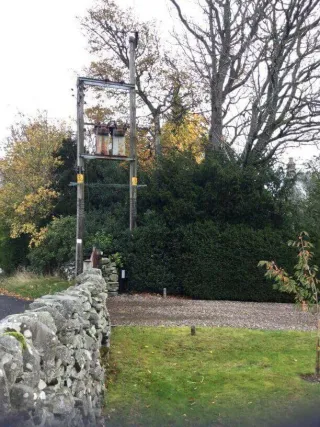
Substations and transformers form an important part of the electricity network, helping to manage and change the voltage of electricity before it reaches homes and businesses.
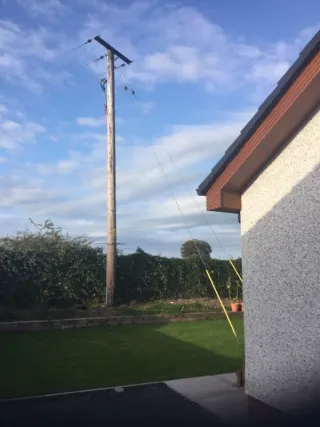
They come in different shapes and sizes. You might have a small transformer mounted on a pole, a ground-level transformer housed in a cabinet, or a larger enclosed substation on or next to your property or land.
If electricity equipment is located within your property boundary or on privately owned land, the electricity network operator may need certain rights to keep, access and maintain it.
Depending on the equipment and the agreements already in place, you may be entitled to compensation.
Thanks Holly. All you and your team’s hard work is much appreciated.
Director | AssocRICS
View profile of Thom Parker-Marrs
Consents Team Lead
View profile of Holly Shipton
Trainee Associate
View profile of Aden Gale
Consents Officer
View profile of Dylan ConnellanElectricity network operators need certain rights to keep, access and maintain substations, transformers and other equipment on privately owned property or land.
These rights may be covered by a wayleave or easement.
The type of agreement in place can affect the rights of both the property owner and the electricity network operator, as well as whether compensation may be available.
Don't worry if you don't know what agreement exists or don't have any paperwork relating to the equipment. We can investigate the existing arrangements and explain what they mean for you.
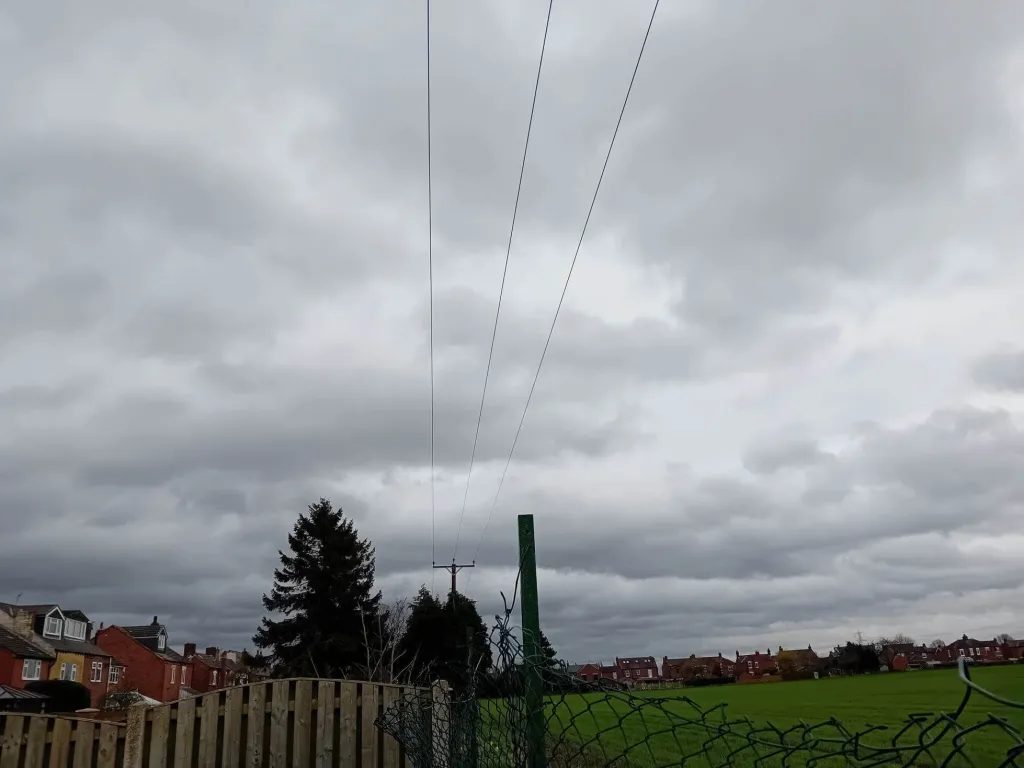
If a substation or transformer is located on your property or land, you may have a case for compensation.
Your entitlement will depend on the type and location of the equipment and the rights or agreements already in place.
It can still be worth investigating if the equipment has been there for many years, was already there when you bought the property or you have never previously looked into whether compensation may be available.
You don't need to know what type of equipment you have or what agreement is in place before contacting us. We can investigate the circumstances and explain whether we believe you have a case.
Tell us about the substation or transformer affecting your property or land and we'll investigate the details.
We'll establish which electricity network operator is responsible, look at any existing rights or agreements and assess whether we believe you have a case.
If we believe you have a case and you choose to proceed, we'll manage the claim and deal with the electricity network operator on your behalf.
If an offer of compensation is made, we'll explain it clearly and answer any questions you have before you decide whether you want to accept it.
Our fee is 20% + VAT of any compensation successfully secured on your behalf.