What electricity equipment is on or near your property?
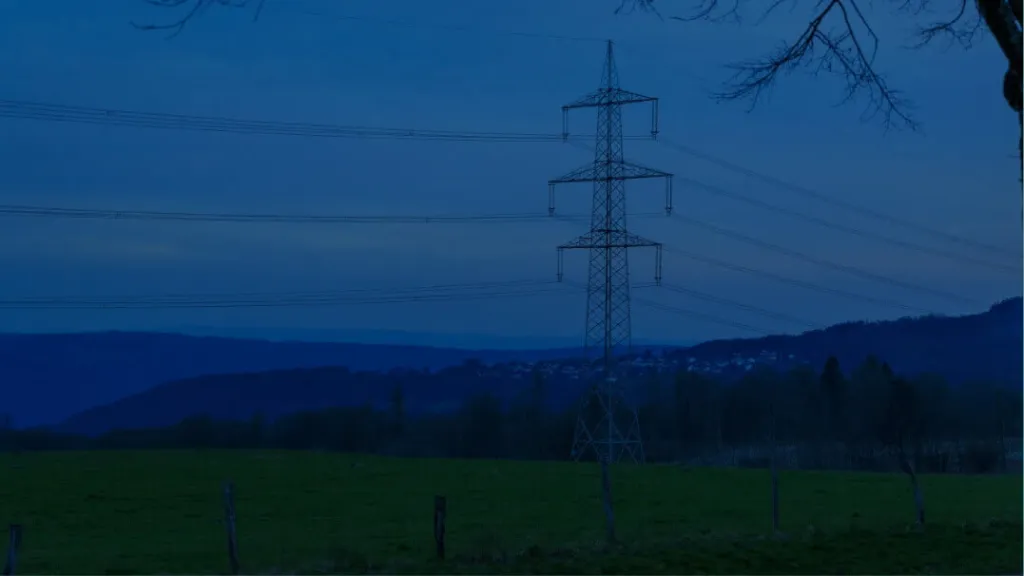
Electricity equipment comes in many different forms. Some is easy to spot, such as a pole, pylon or overhead cable. Other equipment, particularly underground cables, may not be visible at all.
If electricity equipment is located on, over or underneath your property or land, you may be entitled to compensation.
Use our guide below to identify the type of equipment that could be affecting your property.

Understanding electricity equipment
Electricity networks rely on different types of equipment to carry power across the country and into our homes and businesses.
This can include everything from large pylons and high voltage overhead lines crossing fields to smaller wooden poles, underground cables, substations and transformers within residential areas.
If this equipment is on, over or underneath privately owned property or land, the electricity network operator may need an agreement giving them the right to keep, access and maintain it.
These agreements, and the rights associated with the equipment, can sometimes mean that the property owner is entitled to compensation.
Not sure what type of equipment you have? Take a look at the examples below, or get in touch and we can help you establish what may be affecting your property.
Low voltage
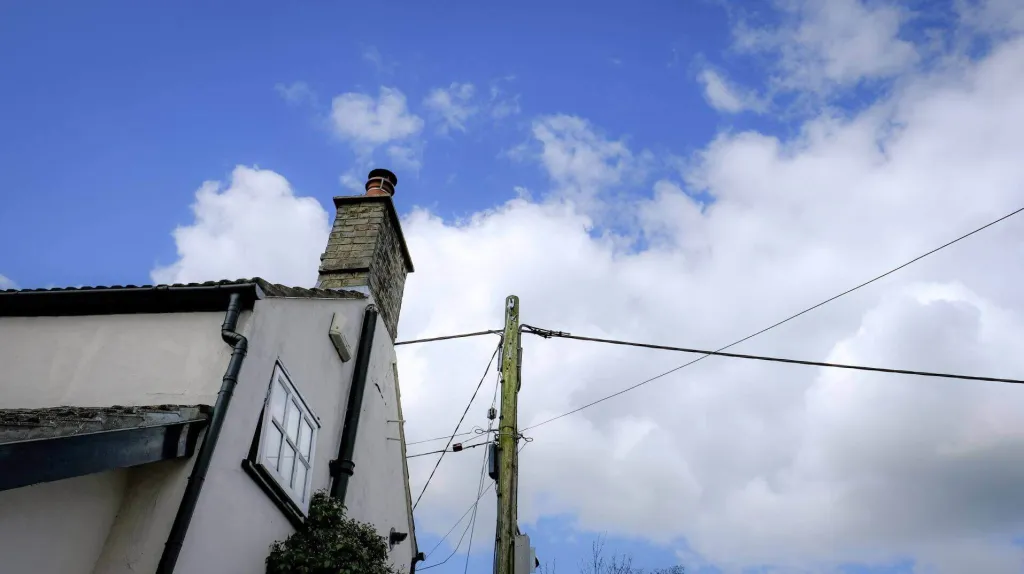
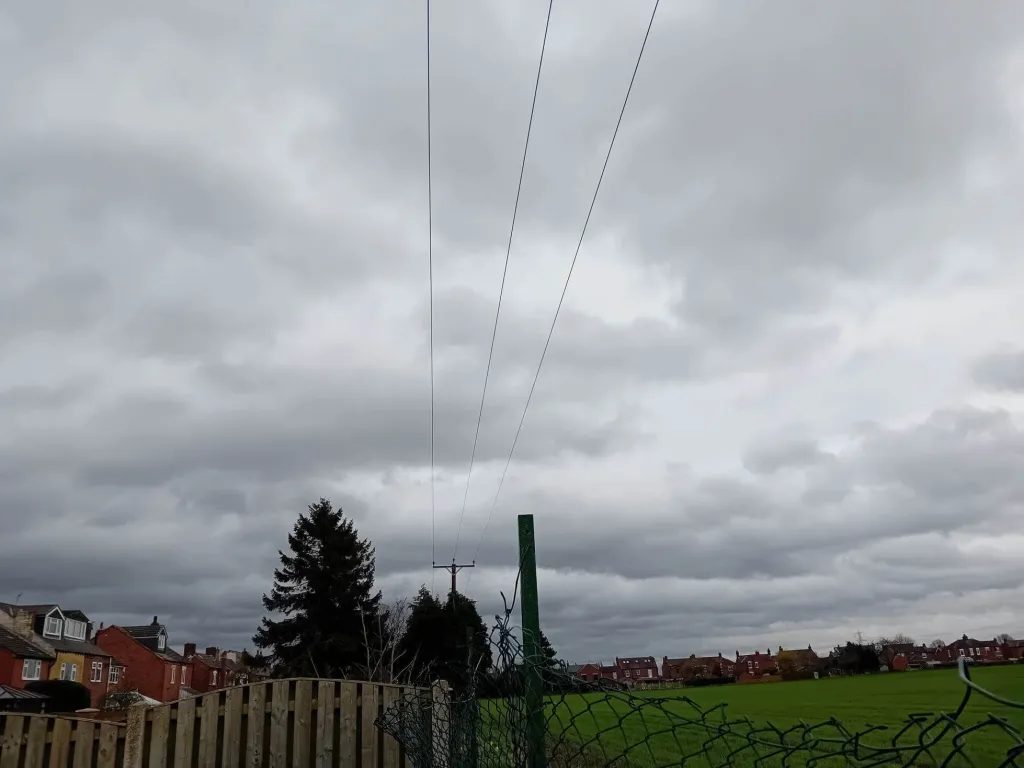
Low voltage equipment is commonly found in residential areas and is used to carry electricity to homes and businesses.
You might see wooden electricity poles, smaller overhead lines or associated equipment on or around your property.
If low voltage equipment affects your property or land, you may have a case for compensation.
Find out about low voltage equipmentHigh voltage
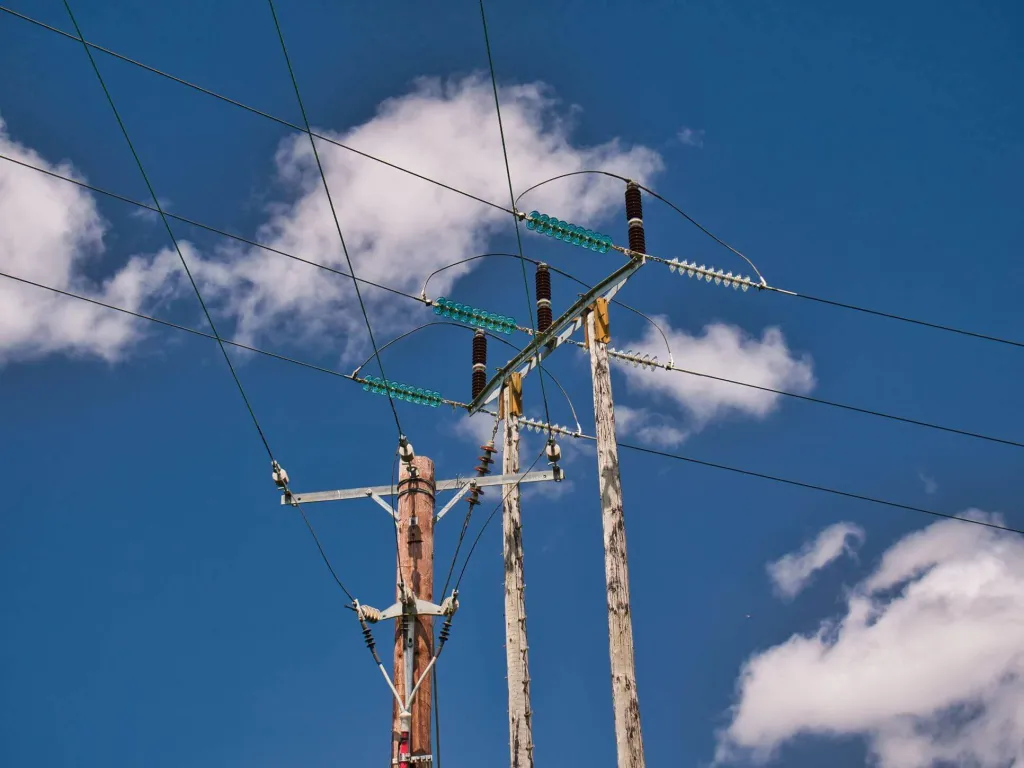
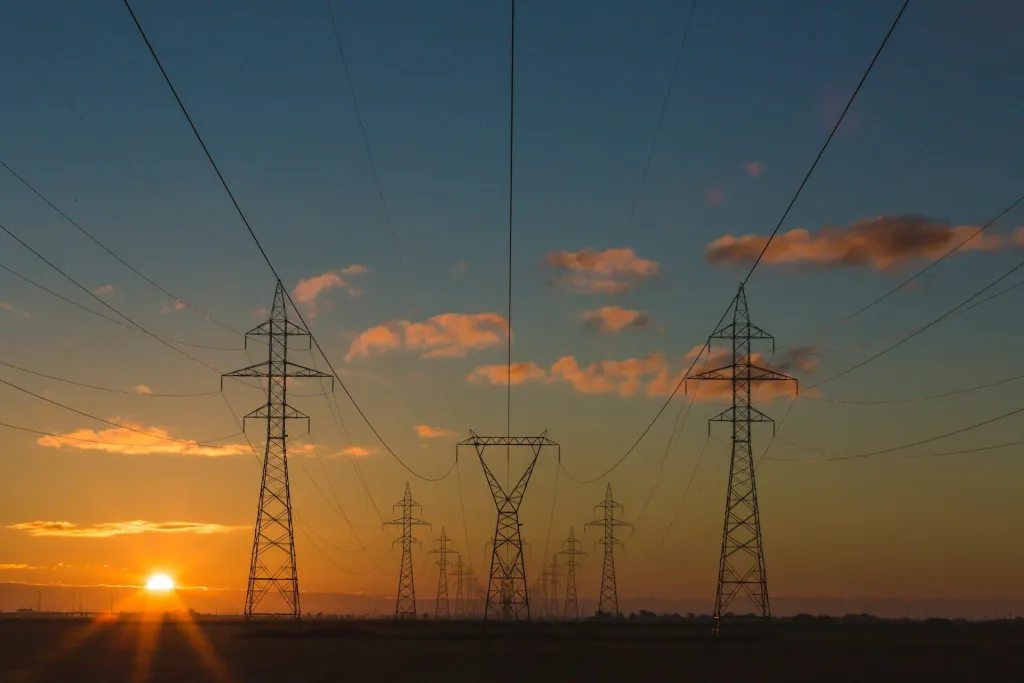
High voltage equipment carries electricity across greater distances and can include larger poles, towers and overhead lines.
If high voltage equipment is located on or crosses your property or land, there may be an agreement in place – and you could be entitled to compensation.
Find out about high voltage equipmentOverhead cables
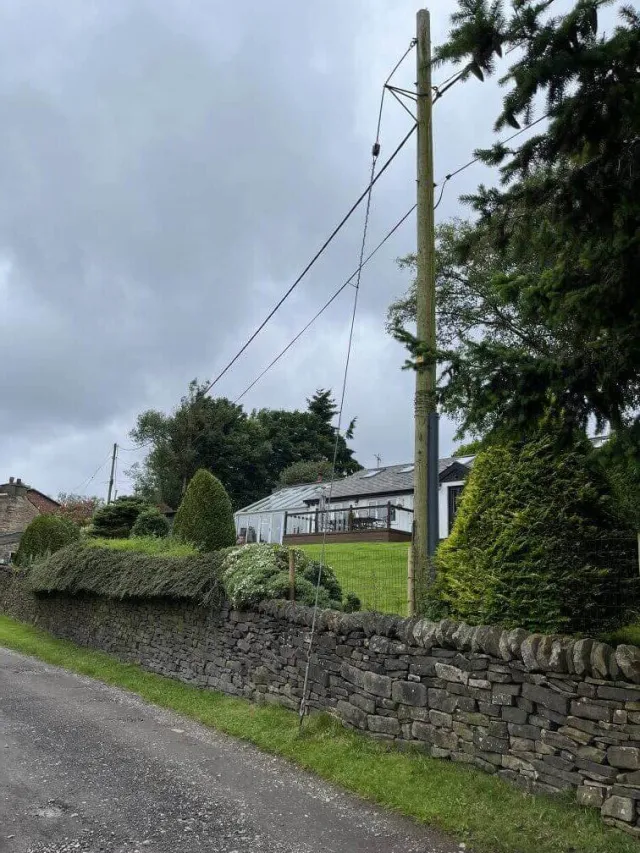
Electricity cables don’t necessarily need to physically touch your land to affect your property.
If you can see electricity cables passing over your garden, property or land, there may be rights or agreements associated with them - even if they only encroach on your property in windy weather.
Find out about overhead cablesUnderground cables
Not all electricity equipment can be seen.
If you believe there are electricity cables running underneath your property or land, we can investigate what is there, who is responsible for it and whether you may have a case for compensation.
Find out about underground cablesPylons
Pylons and the high voltage electricity lines they carry can cross privately owned land, including farmland and larger plots.
If you have a pylon on your land, or electricity lines crossing it, there may be agreements and compensation rights associated with the equipment.
Find out about pylonsSubstations and transformers
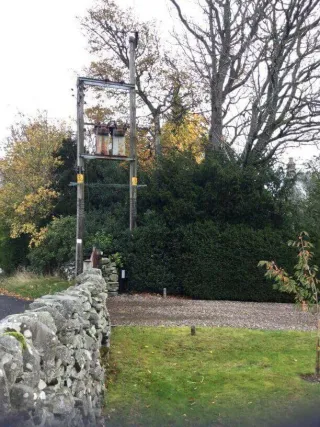
Substations and transformers form an important part of the electricity network and can sometimes be located on or immediately beside privately owned property.
If you have this type of equipment affecting your property or land, we can help establish what agreements are in place and whether you may be entitled to compensation.
Find out about substations and transformers