Debbie Goodfellow
General Manager
View profile of Debbie Goodfellow

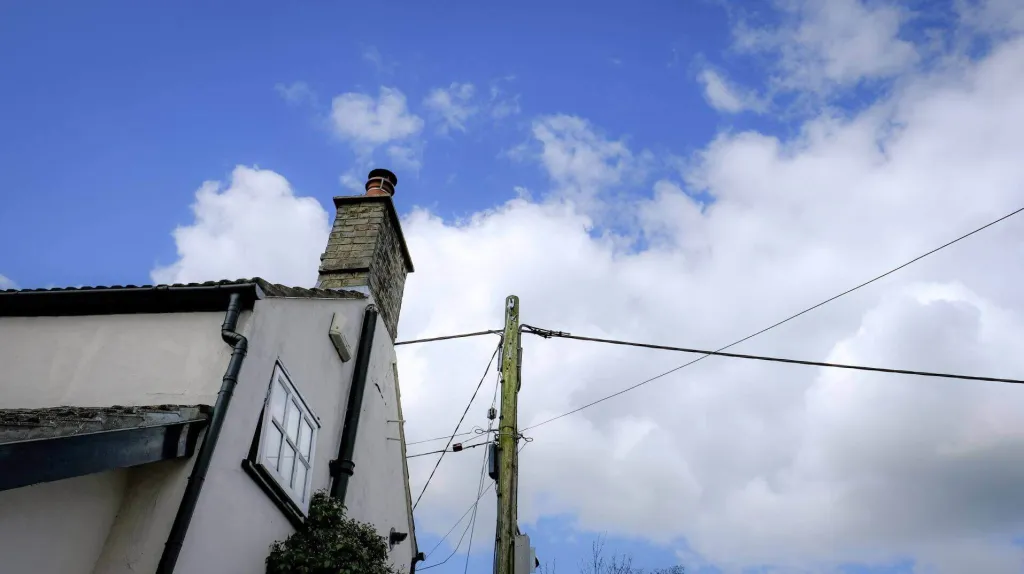
Low voltage electricity equipment is commonly found in residential areas and is used to carry electricity to homes and businesses.
It can include wooden electricity poles, overhead lines, underground cables and other equipment forming part of the local electricity network.
If this equipment is on, over or underneath your property or land, the electricity network operator may need certain rights to keep, access and maintain it.
Depending on the circumstances and the agreements already in place, you may be entitled to compensation.
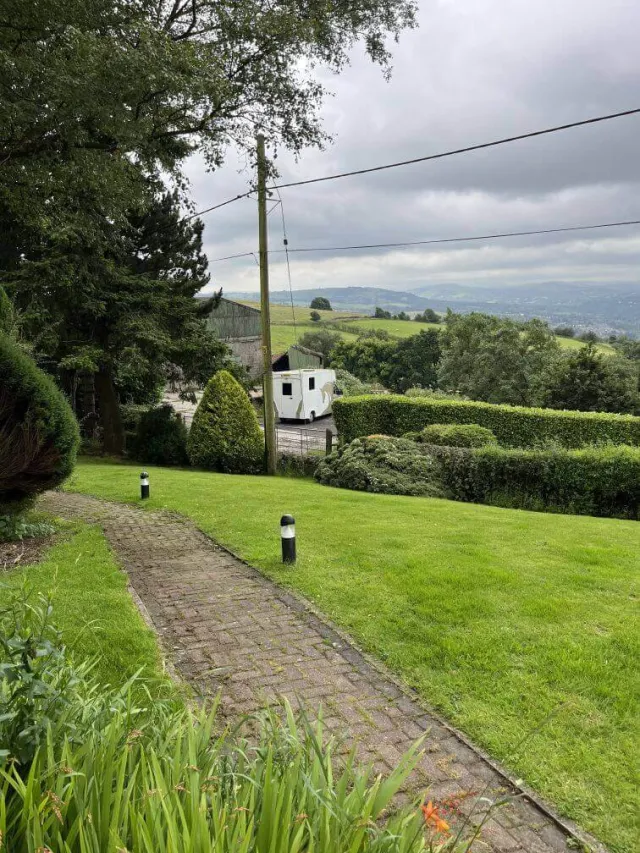
Thomson Broadbent did a fantastic job in securing compensation for the electrical poles in my garden, it did take three years however this the timeframe was made clear to me at the start of the process. Beth did a great job in negotiating a great settlement for me and made it hassle free. Would recommend to a friend
General Manager
View profile of Debbie Goodfellow
Consents Officer
View profile of Gail DicksonLow voltage equipment can be easy to overlook, particularly in residential areas where it may have been in place for many years.
Common examples include:
You don’t need to identify the equipment yourself. If you can see electricity equipment on or crossing your property, or believe there are cables underneath it, we can investigate it for you.
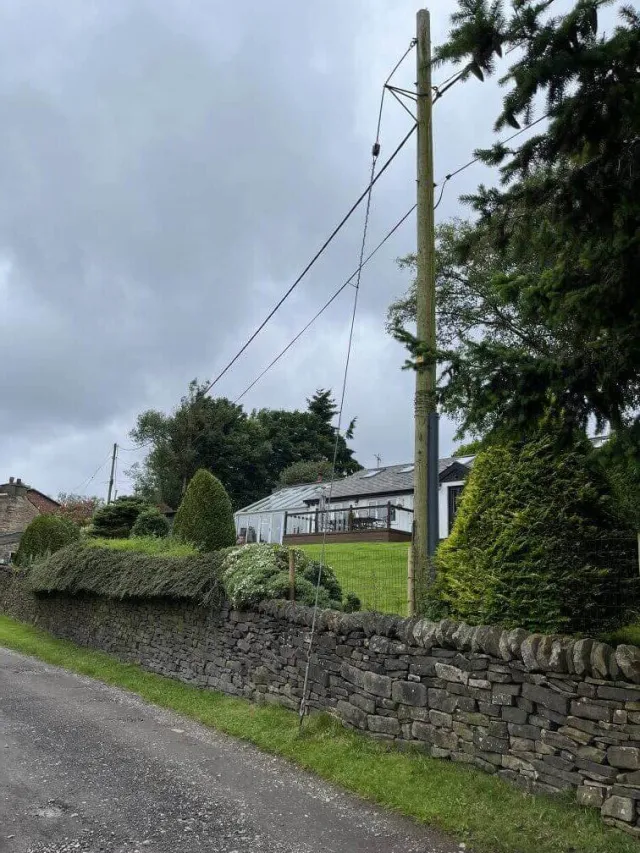
If low voltage electricity equipment affects your property or land, you may have a case for compensation.
Whether you are entitled will depend on a number of factors, including the type and location of the equipment and any existing agreements relating to it.
Even if the equipment has been there for many years, or was already there when you bought your property, it can still be worth checking.
You don’t need to know whether you have a wayleave or easement in place before contacting us. We can look into the existing arrangements and explain what they mean for you.
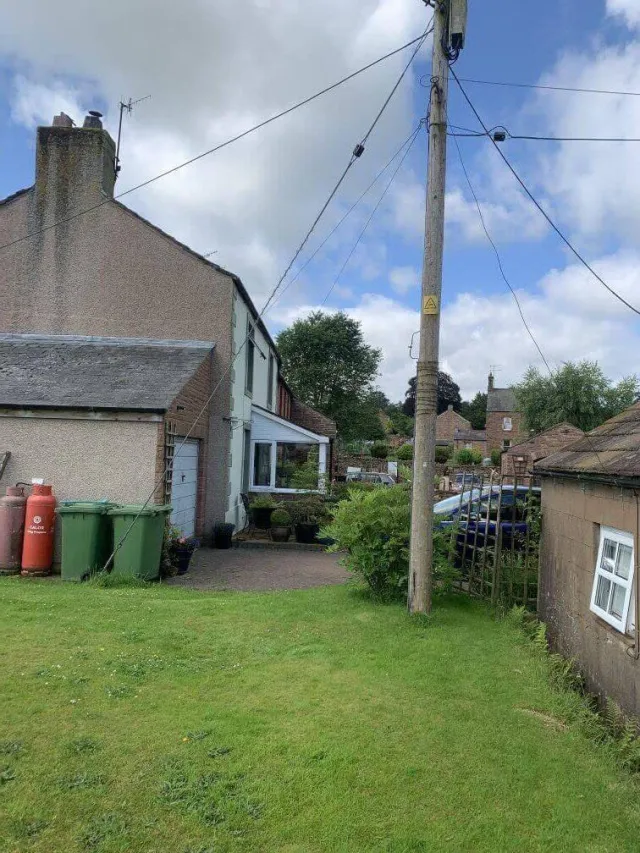
The first step is simply to tell us about your property and the electricity equipment you believe may be affecting it.
We’ll investigate the equipment, establish which electricity network operator is responsible and look at any existing agreements.
If we believe you have a case and you choose to proceed, we’ll manage the claim and liaise with the electricity network operator on your behalf.
If an offer of compensation is made, we’ll explain it clearly and answer any questions you have before you decide whether you want to accept it.

For low voltage (LV) electricity equipment, we charge a fixed fee, which is typically paid in full by the Distribution Network Operator (DNO), in addition to any compensation you receive.
This means you can usually benefit from our expert advice and support without our fees being deducted from your compensation.
We'll explain exactly how the process works and confirm any potential costs before you decide whether you'd like us to act on your behalf.

Potentially. If electricity equipment is located on your property or land, there may be an agreement associated with it and you may have a case for compensation. We can investigate this for you.
You may still have a case. Overhead cables can affect privately owned property even where the supporting pole or other equipment is located elsewhere.
If you believe electricity cables run underneath your property or land, we can investigate what is there and whether there may be an entitlement to compensation.
Not necessarily. We can look at the existing arrangements and establish whether there may be an entitlement associated with your property.
Yes. You don't need to know whether there is a wayleave or easement before contacting us. Establishing what agreements exist is part of the work we can do for you.