Thom Parker-Marrs
Director | AssocRICS
View profile of Thom Parker-Marrs

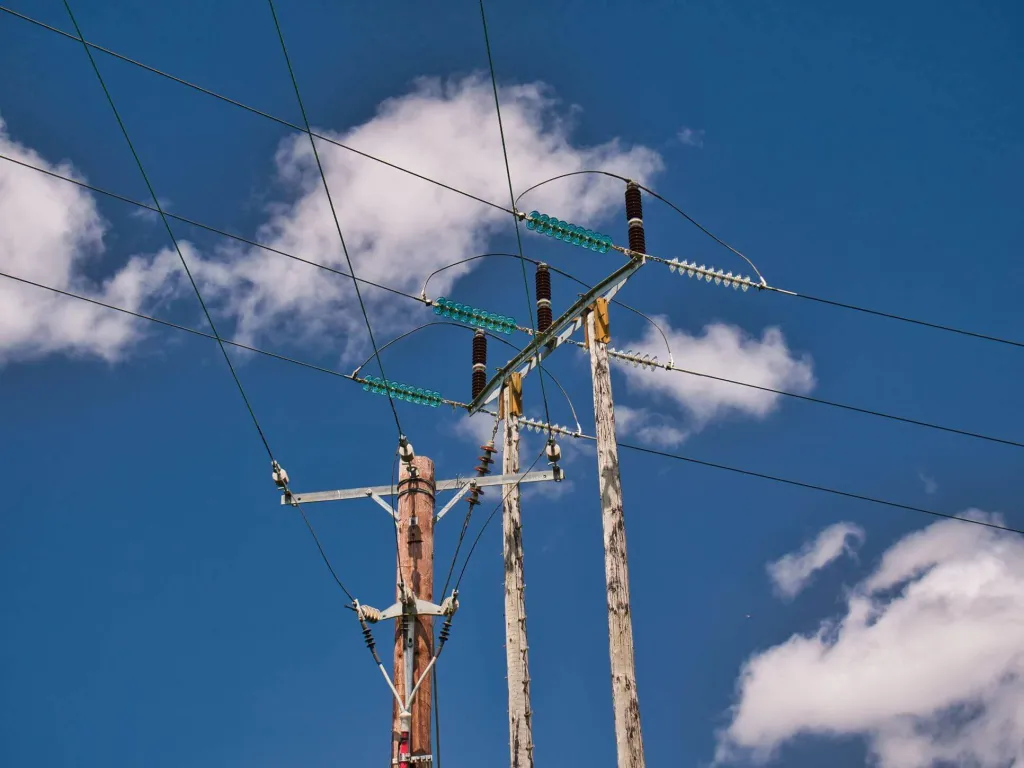
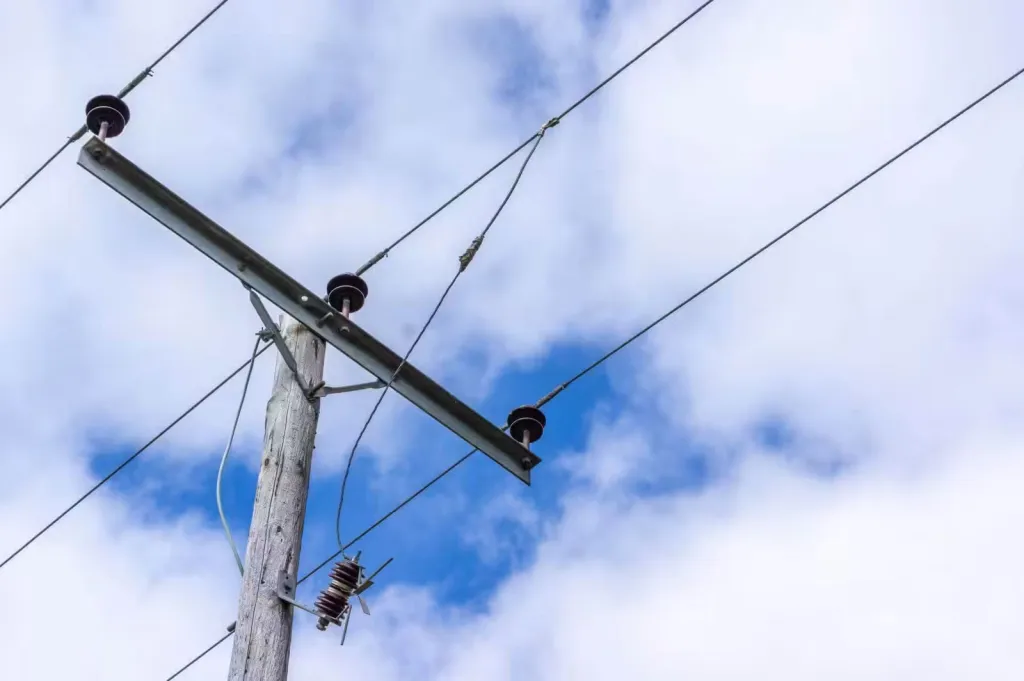
High voltage equipment is used to carry electricity across the network over longer distances.
It can include larger electricity poles, towers and overhead lines crossing privately owned land, as well as underground high voltage cables.
If high voltage electricity equipment is on, over or underneath your property or land, the electricity network operator may need certain rights to keep, access and maintain it.
Depending on the equipment involved and the agreements already in place, you may be entitled to compensation.
High voltage equipment can include:
You don't need to identify the voltage or type of equipment yourself. If you can see electricity equipment on or crossing your land, or believe there are cables underneath it, we can investigate the details for you.
I was happy with your company they kept me informed of claim, which took a while, and pleasantly happy with a payment I received.
Director | AssocRICS
View profile of Thom Parker-Marrs
Consents Team Lead
View profile of Holly Shipton
Trainee Associate
View profile of Aden Gale
Consents Officer
View profile of Dylan Connellan
Client Success Coordinator
View profile of Esme Higgins
Consents Officer and Surveyor
View profile of Maddy LeebrookElectricity network operators need certain rights to keep and access equipment on privately owned land.
These rights may be covered by a wayleave or easement.
The type of agreement in place can affect the rights of both the property owner and the electricity network operator, as well as whether compensation may be available.
You don't need to know whether you already have an agreement in place. We can investigate the existing arrangements, explain what they mean and advise you on your options.
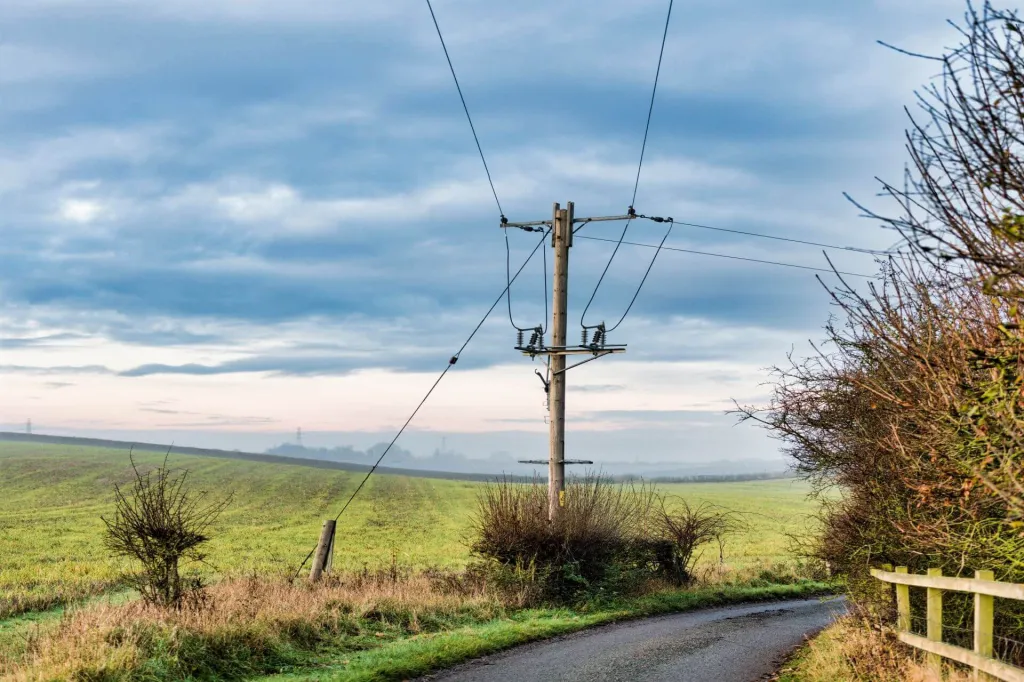
If you think high voltage electricity equipment may affect your property or land, tell us what you know.
We'll investigate the equipment, establish which electricity network operator is responsible and look at any agreements already in place.
If we believe you have a case and you choose to proceed, we'll manage the process and deal with the electricity network operator on your behalf.
If an offer of compensation is made, we'll explain it clearly and answer any questions you have before you decide whether you want to accept it.
Our fee is 20% + VAT of any compensation successfully secured on your behalf.
The amount of compensation available will depend on the individual property, the equipment involved and the circumstances of the case.
We'll explain our fees and the process before you decide whether you would like us to act for you, so you know what to expect from the outset.
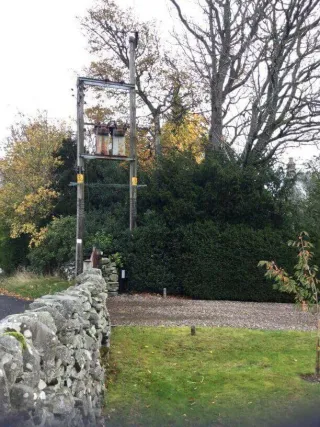
Potentially. If high voltage electricity equipment is on or crosses privately owned land, there may be rights and agreements associated with it. We can investigate the circumstances and explain whether we believe you have a case.
No. Electricity lines can affect your property even where the pole, tower or other supporting equipment is located elsewhere.
If you believe high voltage cables run underneath your property or land, we can investigate what is there, who is responsible for it and what agreements may be in place.
That doesn't necessarily mean there is nothing you can do. We can investigate the existing arrangements and explain whether there may be an entitlement associated with your property or land.
Both can give an electricity network operator rights relating to equipment on privately owned land, but they work differently. We can establish what type of agreement applies to your property and explain what that means for you.
No. If you instruct us to act for you, we'll liaise with the relevant electricity network operator and manage the claim on your behalf.