James Broadbent
Managing Director
View profile of James Broadbent

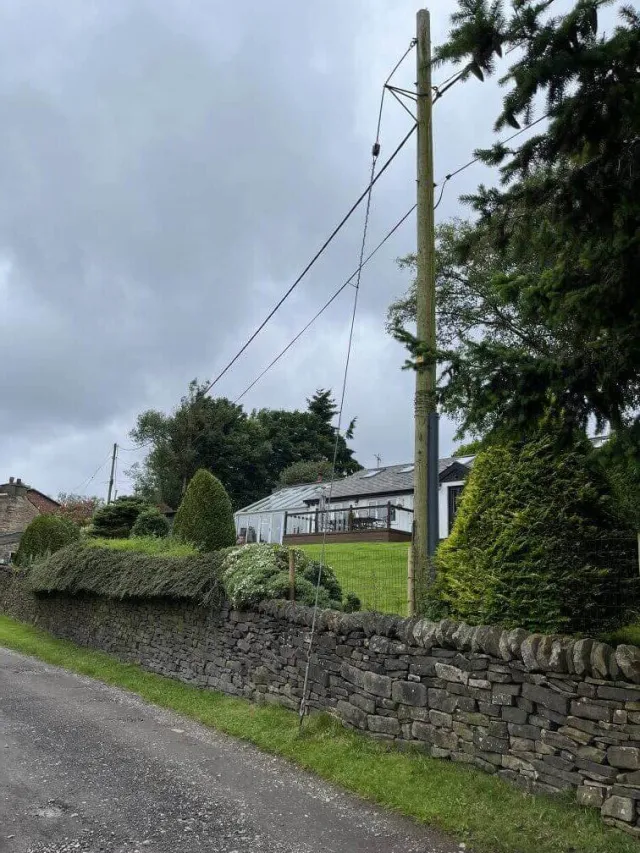
Overhead electricity cables form part of the network that carries electricity to homes, businesses and communities.
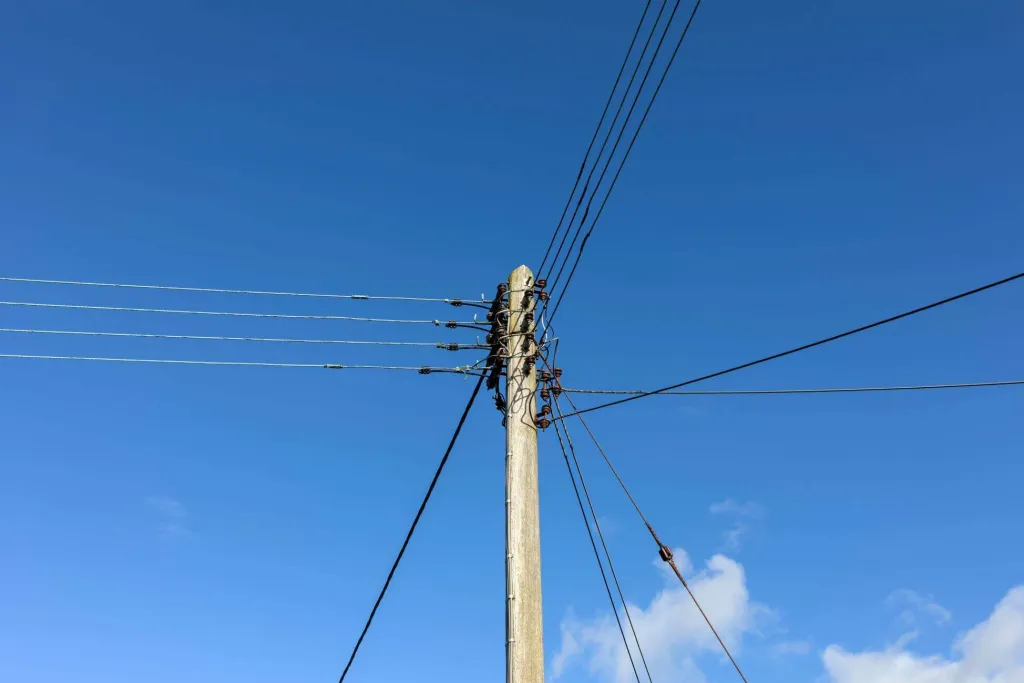
They can range from smaller cables supported by wooden poles in residential areas to high voltage lines carried by larger poles and pylons.
You might have:
Importantly, the pole or pylon itself doesn't always need to be on your property. If electricity cables pass over your property or land, there may still be rights and agreements associated with them.
Thank you to the team for successfully acting on our behalf in negotiating and securing the compensation payment from the electricity network provider in an efficient manner and keeping us informed along the way.
Managing Director
View profile of James Broadbent
Director | AssocRICS
View profile of Thom Parker-Marrs
General Manager
View profile of Debbie Goodfellow
Trainee Associate
View profile of Aden Gale
Consents Officer
View profile of Dylan Connellan
Consents Team Lead
View profile of Holly Shipton
Client Success Coordinator
View profile of Esme Higgins
Analyst
View profile of Kyle Murray
Finance & Client Accounting
View profile of Sara Scott
Consents Officer and Surveyor
View profile of Maddy Leebrook
Client Support Assistant
View profile of Nadine GourlayConsents Officer
View profile of Gail DicksonIf overhead electricity cables cross your property or land, you may be entitled to compensation.
This can apply whether the equipment was there when you bought the property or has been in place for many years.
Your entitlement will depend on factors including the type and location of the equipment and any existing agreements relating to it.
You don't need to know who owns the equipment or whether you already have a wayleave or easement in place. We can investigate this for you and explain whether we believe you have a case.
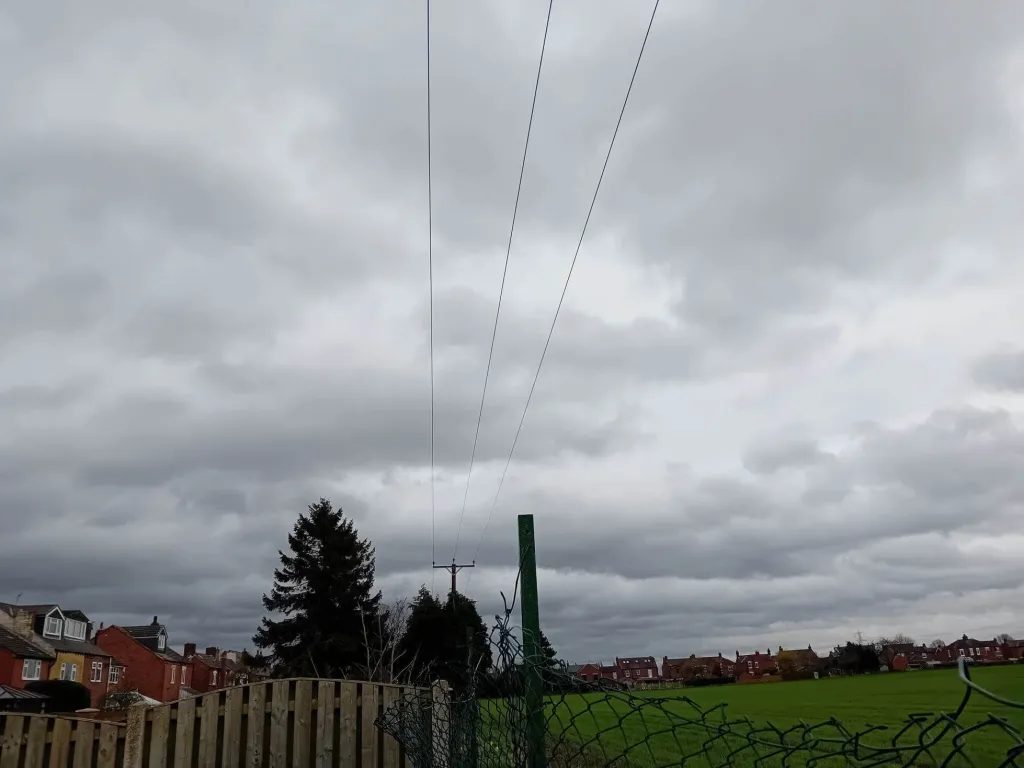
If you can see electricity cables crossing your property or land, get in touch and tell us what you know.
We'll investigate the equipment, establish which electricity network operator is responsible and look at any existing agreements.
If we believe you have a case, we'll explain your options and the costs involved. If you choose to proceed, we'll manage the claim and deal with the electricity network operator on your behalf.
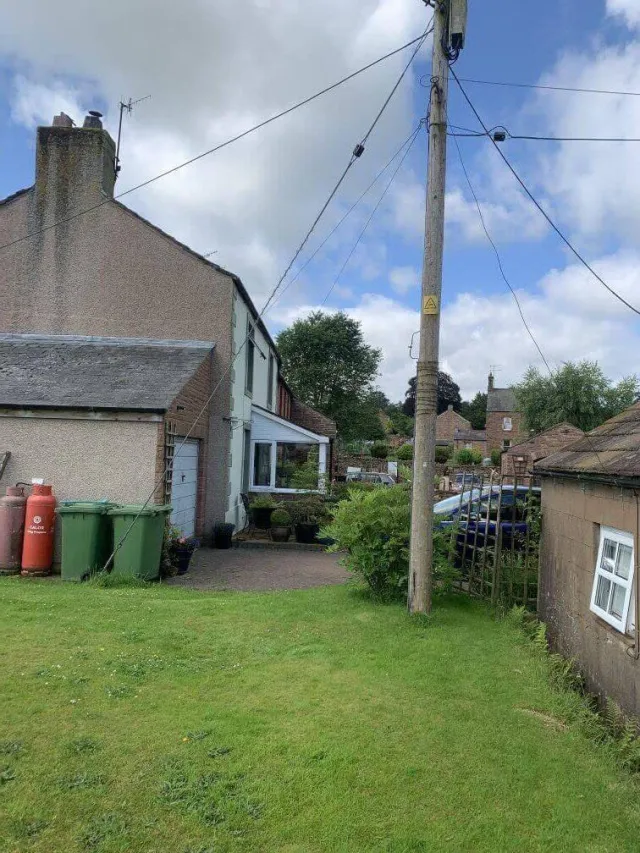
Electricity network operators need certain rights to keep, access and maintain equipment on privately owned property and land.
These rights may be covered by a wayleave or easement. The agreement in place can affect the rights of the property owner and the electricity network operator, as well as whether compensation may be available.
Don't worry if you've never seen an agreement or aren't sure whether one exists. We can investigate the arrangements relating to your property for you.